STAY IN TOUCH! SUBSCRIBE TO OUR EMAIL NEWSLETTER

Effective Treatment Approaches for Swallowing Impairment After Stroke or Neurological Injury
Dysphagia, or swallowing impairment, presents significant challenges for individuals recovering from a stroke or neurological injury. Effective treatment strategies are necessary to enhance safety and improve the quality of life for patients experiencing this condition. One essential approach includes implementing aspiration precautions, which are designed to minimize the risk of food or liquids entering the airway, thus preventing aspiration pneumonia.
PATIENT EDUCATIONPATIENT CARE
Viswanath M. Aluru, M.D.
6/15/20264 min read
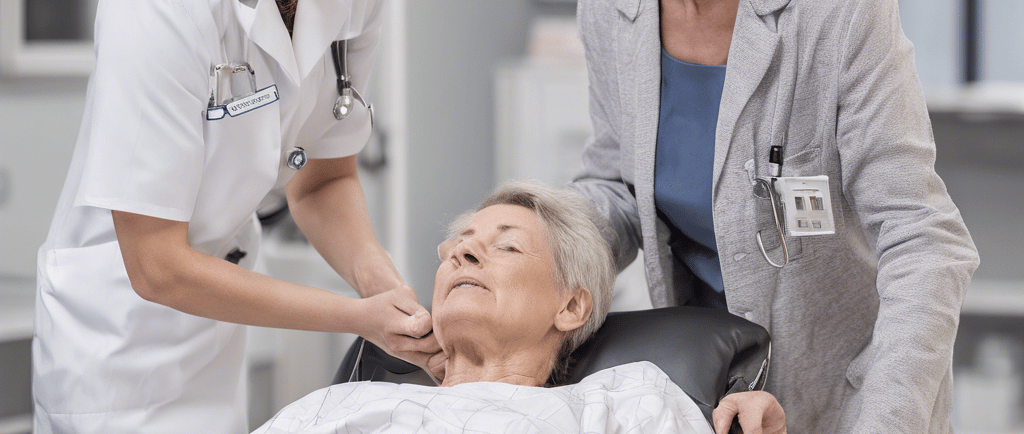
Understanding Dysphagia and Its Impact
Dysphagia, or swallowing impairment, is a common and often debilitating condition that occurs following a stroke or neurological injury. This disorder can manifest in various forms, affecting an individual’s ability to safely swallow food, liquids, or even saliva. Dysphagia can arise from a multitude of neurological triggers, including brain injuries or conditions that alter the neural pathways responsible for coordinating the complex process of swallowing.
The impact of dysphagia extends far beyond mere difficulty while eating. Individuals experiencing this condition face significant health risks. One of the primary concerns is malnutrition, as the inability to ingest sufficient nutrients can impair recovery and overall health. Additionally, dehydration is frequently observed in these patients, as they might avoid drinking fluids due to the fear of choking or other complications. Consequently, inadequate hydration can then lead to renal dysfunction, further complicating their medical condition.
A critical risk associated with dysphagia is aspiration pneumonia, which occurs when food or liquids are unintentionally inhaled into the lungs. This not only challenges respiratory health but can also lead to severe complications, including prolonged hospitalization or even fatality. It is essential to understand that the neuroanatomy related to swallowing control can be significantly impacted post-injury. Areas of the brain involved in the swallowing process can be compromised, leading to various symptoms such as coughing during eating, difficulty breathing, or a sensation of food being stuck in the throat.
In summary, dysphagia is a serious condition that can occur after a stroke or neurological injury. The associated risks and complications underscore the importance of effective evaluation and management strategies to enhance the quality of life for affected individuals.
The Importance of Swallowing Evaluation
Swallowing evaluation plays a crucial role in the management of dysphagia, particularly after a stroke or neurological injury. Dysphagia, or swallowing impairment, can lead to serious complications, including aspiration pneumonia, malnutrition, and dehydration. Therefore, timely identification and assessment of this condition are vital for optimal patient outcomes.
The initial step in the swallowing evaluation process is typically a clinical bedside swallow evaluation performed by a Speech-Language Pathologist (SLP). This evaluation involves observing the patient's ability to swallow various consistencies of food and liquid while monitoring for any signs of distress or aspiration. The SLP will assess oral motor function, the coordination of swallowing, and the strength of swallowing muscles, all of which are essential in determining the patient's swallowing capabilities.
In cases where the bedside evaluation raises concern, further instrumentation assessments become necessary. Instrumental evaluations such as Videofluoroscopic Swallow Studies (VFSS) allow for dynamic visualization of the swallowing process in real-time. This technique enables clinicians to observe the motion of the swallow and identify any pre-swallow or post-swallow aspiration. Similarly, the Fiberoptic Endoscopic Evaluation of Swallowing (FEES) uses a small flexible scope inserted through the nasal passage to visualize the pharynx during swallowing, providing critical insights into the patient’s swallowing function.
Additional diagnostic tools such as CT imaging, manometry, and ultrasound can also be valuable in the comprehensive evaluation of dysphagia. CT imaging, for instance, can help assess structural abnormalities, while manometry measures the pressure and coordination of swallowing muscles. Ultrasound is often utilized for evaluating oropharyngeal swallow efficiency, adding another layer of information to guide treatment strategies.
Overall, a thorough swallowing evaluation is fundamental in devising effective management plans and interventions for patients with dysphagia following neurological injuries.
Comprehensive Treatment Strategies for Dysphagia
Dysphagia, or swallowing impairment, presents significant challenges for individuals recovering from a stroke or neurological injury. Effective treatment strategies are necessary to enhance safety and improve the quality of life for patients experiencing this condition. One essential approach includes implementing aspiration precautions, which are designed to minimize the risk of food or liquids entering the airway, thus preventing aspiration pneumonia.
Consistency in practicing these interventions plays a vital role in the overall effectiveness of the treatment plan. Health professionals often focus on compensatory strategies, such as modifying food textures. These modifications can include altering solids and liquids to specific consistencies that are easier and safer to swallow, thereby reducing the likelihood of choking and aspiration.
Additionally, various swallowing maneuvers, such as the chin tuck, head turn, and effortful swallow, are practiced to enhance swallowing safety and efficiency. These techniques encourage proper alignment and airway protection during the swallowing process. Recovery can also be complemented with restorative therapies aimed at improving the underlying physiological mechanisms of swallowing.
For patients who do not respond adequately to traditional therapies, advanced treatment options are available. Neuromuscular electrical stimulation (NMES) is one such modality that stimulates the muscles involved in swallowing, potentially enhancing muscle strength and coordination. Oral exercises can also be integrated into the therapy regimen to improve oral motor skills and swallowing mechanics.
Moreover, transcranial magnetic stimulation (TMS) has emerged as a promising approach to neuromodulate cortical areas implicated in swallowing, aiding in neuroplasticity and function recovery. By utilizing these comprehensive treatment strategies, healthcare providers can address dysphagia effectively, leading to improved outcomes for patients facing the challenges of swallowing impairment after a stroke or neurological injury.
Collaboration and Multidisciplinary Care in Dysphagia Management
Managing dysphagia, particularly following a stroke or neurological injury, necessitates a comprehensive and multidisciplinary approach. This collaborative effort among healthcare professionals ensures that patients receive the most effective personalized treatment. Central to this team are neurologists, who diagnose and provide initial management of the neurological conditions contributing to swallowing impairment. Their expertise is crucial for identifying any underlying issues that may exacerbate dysphagia.
Additionally, neuro-rehabilitation specialists play a vital role in the recovery process. They implement targeted therapy regimes aimed at restoring swallowing functions. These specialists possess specific training to assess the nuances of dysphagia and formulate treatment plans that align with the patient’s unique challenges and recovery goals.
Speech-language pathologists (SLPs) are indispensable in dysphagia management. They conduct thorough assessments that help tailor interventions to improve swallowing mechanisms. An SLP’s involvement may include recommending specific exercises designed to strengthen relevant muscles and techniques to enhance swallowing safety. Their assessments also guide adaptations in diet, positioning, and swallowing strategies, addressing both immediate needs and long-term support.
Collaboration among these professionals is particularly crucial for managing cases of prolonged dysphagia, which is defined as dysphagia lasting for more than four weeks. In such cases, alternative feeding solutions may become necessary. Options like Percutaneous Endoscopic Gastrostomy (PEG) feeds, Peripheral Parenteral Nutrition (PPN), or Nasogastric Tube (NGT) feeds can help provide essential nutrition while minimizing the risks associated with swallowing impairment.
Continued support and rehabilitation are vital for these patients. Regular follow-ups and adjustments to the care plan by the multidisciplinary team ensure ongoing improvement and adaptation as the patient’s condition evolves. This integrated approach not only enhances the efficacy of treatment interventions but also significantly improves patient quality of life and overall outcomes in dysphagia management.